Imagine Maya, a rising-star project manager, suddenly missing deadlines, retreating from team brainstorms, and declining new initiatives- yet no one noticed until she quit, frustrated that her hunger for learning went unmet.
Stories like Maya’s aren’t rare - they reflect a gap in how we currently understand what drives people. As HR leaders, we can’t afford these blind spots.
Why Broad Frameworks Fail, and What Really Drives Performance
Traditional frameworks laid the groundwork for understanding human motivation, yet these broad clusters often miss the nuanced forces that ignite individual energy in modern work contexts.
Motivation is the multiplier that turns talent and knowledge into standout performance.
Best Performance = (Talent + Knowledge + Skills) × Motivation
By breaking motivation into 30 discrete Drivers and surfacing each person’s Top 5, we create a blueprint that pinpoints exactly what fuels individual engagement transforming abstract concepts into practical action.
Activation: Translate Drivers into Daily Practices
Bring your team’s motivators to life with a Practical Driver Playbook, built around four core components:
1. Activation Ideas
Design work patterns and rituals that directly tap into specific Drivers like:
- Driver‑Focused Pods: Small, cross‑functional teams for Collaboration and Connecting driven members to self‑organize and experiment.
- Ideation Hours: Weekly “no‑meetings” slots so Creative, Verity and Influence driven can explore blue‑sky concepts.
2. Red‑Flag Signals
Early warning triggers when a Driver isn’t being expressed.
- Missing Rituals: If a Connection‑oriented colleague skips three team lunches, trigger a manager alert.
- Engagement Dips: A sudden drop in self‑reported Driver scores flags a check‑in.
3. Overdrive Safeguards
Guardrails to prevent tunnel vision and burnout.
- Turn Up Under‑Expressed Drivers: Introduce brief activities that engage Drivers that are less expressed in the current role.
- Dial Down Over‑Expressed Drivers: Enforce structured pauses in tasks linked to a person’s top Driver to reduce volume on their dominant motivator.
4. Ideal Environment
Customize communication and collaboration settings to each Driver’s preferences.
- Analytical Planners: Receive concise, bulleted recaps after meetings to process data and set next steps.
- Strategic Collaborators: Lead biweekly roundtables to co‑create solutions and strengthen alignment.
Designing a Drive‑Based Culture
Personalization is just the kickoff - real change happens when you turn individual motivation into collective momentum.
Four design principles make this practical:
- Driver-Aligned Feedback & Rewards
Tie recognition to each person’s Drivers. Reward Impact-focused work with clear outcomes, celebrate Belonging through peer shout-outs, and challenge Strivers with high-impact assignments. - Team Motivational Tapestry
Share your team’s collective Drivers so rituals, communication, and goals resonate with everyone. Form pods for Connecting Energizers, focus blocks for Result-driven, and purpose-driven projects for Contribution-seekers. - Self-Governance with Alignment
Empower freedom by aligning tasks and success metrics with motivators, then hold people accountable. Let Autonomy-driven employees set their workflows within deadlines and Creativity-oriented contributors lead new projects. - Psychological Safety & Collegial Debate
Create structured opportunities for respectful challenge. Use inclusive language, frame feedback as invitations for new perspectives, and encourage sharing alternative viewpoints to harness everyone’s Drivers.
Managing Synergies and Addressing Blind Spots
Not all Drivers harmonize naturally. Autonomy may clash with Collaboration, or Creativity with Consistency. HR leaders must help teams anticipate friction and leverage synergies-pairing bold ideas (Adventure, Influence) with disciplined follow-through (Excellence, Consistency) to spark innovations that move beyond prototypes into deliverable products.
When a project demands rapid execution, highlight Drivers like Results and Problem Solving; for ideation, elevate Learning and Purpose. By deliberately blending diverse Drivers, teams create growth loops where each success attracts resources, fuels motivation, and propels wider collaboration.
From Gutto Guidance: How AI Coaching Untangles Human Complexity
AI-powered coaching transforms people management from guesswork into a science. McKinsey finds AI-driven coaching lifts performance by 10–15%, and 76% of organizations whose leaders use AI tools report faster decision cycles.
By analyzing behavioral patterns, preferences, and performance signals at scale, these systems distill each person’s motivational profile-surfacing the precise factors that drive engagement. Rather than leaving managers to wade through complexity, AI delivers clear, personalized recommendations.
Moreover, AI coaching connects individual and team insights to reveal organizational patterns. This holistic view helps leaders spot emerging risks, align cross-functional initiatives, and steer culture shifts with confidence.
AI coaching turns personalization and systems thinking into a practical playbook. It helps leaders make empathetic, fast decisions and build cultures where people feel truly seen.
Conclusion
Embedding intrinsic motivation into workflow routines, personalized blueprints, and a drive‑based culture turns engagement into everyday practice-boosting productivity, sparking innovation, and creating workplaces where people feel seen, trusted, and energized.
Ready to see the impact firsthand? Ask yourself, “What really lights me up-and what drains me?” Then pick one task to tackle differently today, aligned with your top motivator. It starts with one small shift. Try it - and notice what changes.
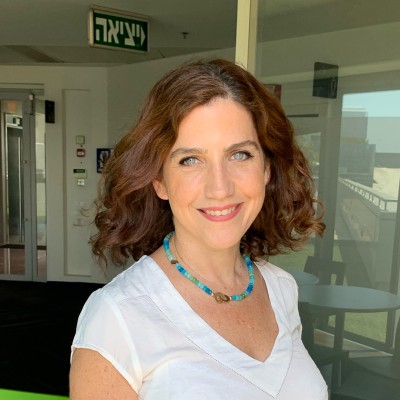
Smadar Tadmor is CEO & Co‑Founder of Claro Mentor, an AI‑driven platform harnessing intrinsic motivators to boost engagement, collaboration, and retention. She leverages 30 years in HR and organizational consulting to transform global workplaces with AI‑driven technology. She specializes in leadership development, strategic change, M&A consulting, and HR design amid organizational disruption. Smadar holds an MA in Applied Sociology, is a certified CTO, ORSC coach, keynote speaker, columnist, and a teaching professor in the academia.
.svg)